
Medically reviewed by [darkwebmarketsupply] | Last updated: [Month Day, 2026] | Written by [darkwebmarketsupply]
Key Takeaways
- An 8 ball is 3.5 grams (one-eighth of an ounce) of a drug sold by weight, most often cocaine.
- The term describes weight, not the substance. Cocaine, meth, and other drugs are all sold this way, and each carries different risks.
- Street drugs are unregulated. Cocaine is often cut with other substances, and fentanyl contamination is a leading cause of stimulant overdose deaths.
- Possession of this quantity can lead to felony charges in many states.
- Help is free and confidential: call the SAMHSA National Helpline at 1-800-662-HELP (4357), 24/7.
Table of Contents
- What Does “8 Ball” Mean?
- Where Does the Term Come From?
- Drug Weight Slang Chart
- What Affects the Price of an 8 Ball?
- 8 Ball of Meth and Other Drugs
- Purity, Adulterants, and the Fentanyl Risk
- Harm Reduction Basics
- Health Risks of Cocaine
- Legal Consequences
- Warning Signs of Cocaine Use
- How to Talk to Someone You’re Worried About
- Where to Get Help
- Frequently Asked Questions
- Sources
What Does “8 Ball” Mean?
An 8 ball is slang for 3.5 grams, or one-eighth of an ounce, of a drug sold by weight. It is most closely associated with cocaine, but it is also used for methamphetamine and, less often, other powdered or crystalline substances.
Whether you are trying to understand a loved one’s behavior, recognize warning signs, or make sense of a news story, the term matters because it points to a quantity with real health and legal consequences. It is enough for multiple uses, which raises overdose and dependence risks, and in many places it is enough to draw serious criminal charges. View full products details
Quick facts
| Weight | 3.5 grams (1/8 oz) |
| Most associated drug | Cocaine |
| Also used for | Methamphetamine, sometimes MDMA or other powders |
| Main risks | Overdose, fentanyl contamination, dependence, legal penalties |
Where Does the Term Come From?
The “eight” comes from the fraction one-eighth of an ounce. The “ball” is generally understood as a nod to the black 8 ball in pool. The exact origin is not well documented, and the term is simply drug-market slang that stuck. Explore Why Is It Called an 8 Ball of Coke
Some sources claim a billiards ball weighs about the same as this quantity. It does not. A regulation pool ball weighs roughly 5.5 to 6 ounces (about 155 to 170 grams), far more than 3.5 grams.
Drug Weight Slang Chart
Weight-based slang is common in drug markets. Here is how the most common terms compare:
| Slang term | Weight | Fraction of an ounce |
|---|---|---|
| Gram | 1 g | 1/28 oz |
| Teener (“teenth”) | 1.75 g | 1/16 oz |
| 8 ball | 3.5 g | 1/8 oz |
| Quarter | 7 g | 1/4 oz |
| Half ounce | 14 g | 1/2 oz |
| Ounce | 28 g | 1 oz |
| Kilo | 1,000 g | about 35.3 oz |
Regional slang varies, and the same word can mean different things in different places. Guide on how much does an 8-ball of coke weigh
What Affects the Price of an 8 Ball?
Street prices are illegal, unregulated, and vary widely, so any single number should be treated as a rough estimate rather than a quote. For current estimates, see the DEA National Drug Threat Assessment and the UNODC World Drug Report.
Several factors drive the variation:
- Distance from supply routes. Areas near major distribution corridors and ports tend to see lower prices than remote regions.
- Purity. A lower price often means more filler or adulterant in the product.
- Enforcement pressure. Higher risk for sellers can push prices up.
- The substance itself. Methamphetamine is typically far cheaper per gram than cocaine, largely because of large-scale production.
- Local competition and demand.
A lower price often means lower purity and a higher chance of dangerous adulterants. Price is never a reliable guide to safety.
8 Ball of Meth and Other Drugs
The term describes the amount, not the substance. 3.5 grams of different drugs are very different products.
- Methamphetamine: Usually much cheaper per gram than cocaine, with effects that can last many hours. Prolonged use is linked to severe sleep loss, paranoia, psychosis, dental damage, and cardiovascular strain. See NIDA’s methamphetamine overview.
- Cocaine: A short-acting stimulant, with a high that typically lasts under an hour for powder cocaine. The short duration encourages repeated dosing, which can accelerate dependence. See the NIDA cocaine research report.
- Heroin and other opioids: Less commonly sold by the “8 ball,” and the illicit opioid supply is now heavily contaminated with fentanyl, so the risk of any opioid purchase is very high.
- MDMA: Powders and pressed pills sold as MDMA often contain other substances, including stimulants and, increasingly, synthetic cathinones.
Purity, Adulterants, and the Fentanyl Risk
Street cocaine is almost never pure, and there is no way to tell what is in a drug by looking at it, smelling it, or tasting it.
Common cutting agents include:
- Levamisole: A veterinary dewormer found in a large share of the cocaine supply in recent years. It can cause agranulocytosis, a dangerous drop in white blood cells, and severe skin damage.
- Local anesthetics (lidocaine, benzocaine): Used to mimic the numbing effect of cocaine.
- Phenacetin: A banned painkiller linked to kidney damage.
- Sugars and other fillers.
- Fentanyl: A synthetic opioid far stronger than heroin. See the DEA’s fentanyl awareness page.
Why Fentanyl in Stimulants Is So Dangerous
CDC data show that a large share of cocaine-involved overdose deaths also involve synthetic opioids, mainly illicitly manufactured fentanyl. Contamination may result from deliberate mixing or from cross-contamination during processing, packaging, and distribution.
The danger is greatest for people without opioid tolerance. Someone who uses only stimulants has no protection against fentanyl’s effects on breathing, and a very small amount can cause fatal respiratory depression.
Harm Reduction Basics
The safest choice is not to use. For people who do use, or who live with or care for someone who does, public health agencies recommend these steps to lower (not eliminate) the risk of death:
- Fentanyl test strips can detect fentanyl in many drug samples. They have limits, and a negative result does not guarantee a sample is safe. Many health departments and harm reduction programs distribute them for free.
- Carry naloxone (Narcan). It reverses opioid overdoses and is available over the counter in the United States. It does not reverse a cocaine overdose, but it can save a life if fentanyl is involved.
- Never use alone. The Never Use Alone hotline (800-484-3731 in the U.S.) stays on the line with a person while they use and calls for help if they stop responding.
- Avoid mixing substances. Combining cocaine with alcohol creates cocaethylene, which is more toxic to the heart and liver than either substance alone. Mixing with opioids or other sedatives raises overdose risk further.
- Call 911 in an emergency. Many states have Good Samaritan laws that offer some legal protection to people who seek help during an overdose. Protections vary, so check your state’s law.
Signs of an Overdose: Call 911 Immediately
- Chest pain or pressure
- Extreme agitation or confusion
- Very high body temperature, heavy sweating
- Seizures
- Slow, shallow, or stopped breathing
- Blue or gray lips or fingertips
- Unresponsiveness or loss of consciousness
Health Risks of Cocaine
No amount of street cocaine can be considered safe. Overdose risk depends on purity, individual health, tolerance, other substances in the body, and contamination.
- Cardiovascular: Heart attack, stroke, dangerous heart rhythms, high blood pressure, and aortic tears. These can occur even in young, otherwise healthy people.
- Neurological and psychiatric: Anxiety, panic attacks, paranoia, seizures, and in some cases psychosis.
- Nasal and respiratory: Chronic congestion, nosebleeds, loss of smell, and damage to the nasal septum from snorting. Smoking crack cocaine can damage the lungs.
- Dependence: Stimulant use disorder can develop quickly because of the short high and the strong pull to redose. There is currently no FDA-approved medication for cocaine use disorder, but behavioral treatments such as cognitive behavioral therapy and contingency management have good evidence. See NIDA’s treatment information.
- Withdrawal and crash: Exhaustion, depression, anxiety, intense cravings, and sleep disruption. Seek help if you experience hopelessness or thoughts of self-harm. The 988 Lifeline is available 24/7.
Legal Consequences
This section is general information, not legal advice. Laws change often and differ by state. Speak with a licensed attorney about a specific situation.
Federal law
- Simple possession of cocaine is generally a misdemeanor for a first offense under 21 U.S.C. § 844, punishable by up to one year in prison and a minimum fine. Prior convictions raise the penalty.
- Trafficking thresholds under 21 U.S.C. § 841 begin at 500 grams of powder cocaine (five-year mandatory minimum) and 5 kilograms (ten-year mandatory minimum). A 3.5-gram quantity is far below these thresholds, but they apply only to federal trafficking charges and do not limit what states can charge.
- Crack cocaine has separate, lower federal thresholds.
State law
State laws vary dramatically, and this is where most possession cases are prosecuted.
- Many states treat cocaine possession as a felony, regardless of how small the amount is. In Texas, for example, possession of any amount of cocaine is a felony, with the grade increasing by weight. See the Texas Health and Safety Code, Chapter 481.
- Some states have reduced penalties or decriminalized small-quantity possession, or offer diversion and treatment programs instead of prison.
- Penalties depend on the specific drug, the weight, your prior record, where you were arrested (for example, near a school), and whether prosecutors allege intent to distribute.
Intent to distribute
Prosecutors do not need to catch someone in the act of selling. Circumstantial evidence can support a distribution charge, such as digital scales, individual packaging, multiple phones, ledgers, or large amounts of cash. A charge is not a conviction, and the evidence must still meet the legal standard in court.
Collateral consequences
A drug conviction can have effects beyond the sentence itself:
- Loss of eligibility for some federal student aid
- Barriers to employment and housing
- Problems with professional licenses
- Child custody and family court implications
- Immigration consequences for non-citizens
Warning Signs of Cocaine Use
Recognizing use early matters because cocaine’s short high encourages repeated dosing, and dependence can develop faster than many people expect.
Behavioral signs
- Cycles of high energy and intense talkativeness followed by crashes
- Increasing secrecy about money, time, or whereabouts
- Unexplained financial problems
- Withdrawal from family and long-standing friends
- Mood swings, irritability, or paranoia
- Missed work, school, or responsibilities
Physical signs
- Frequent nosebleeds or persistent nasal congestion
- Dilated pupils
- Rapid heartbeat
- Unexplained weight loss
- Severe sleep disruption
Paraphernalia
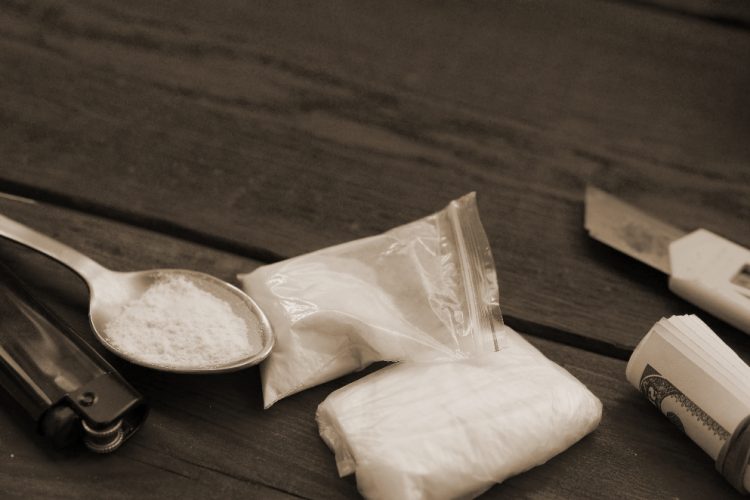
- Small bags or baggies, mirrors, razor blades, rolled bills, or straws
Important: None of these signs proves drug use. Many have other causes, including stress, medical conditions, and mental health issues. Approach the situation with care rather than assumptions.
How to Talk to Someone You’re Worried About
- Pick the right moment. Choose a calm, private time when the person is sober.
- Lead with concern, not accusation. Try: “I’ve noticed some changes, and I’m worried about you.”
- Be specific and factual about what you have seen, without labels like “addict.”
- Offer concrete help, such as researching treatment options or going with them to an appointment.
- Avoid ultimatums and shaming. These often increase defensiveness and secrecy.
- Take care of yourself. Family members benefit from their own support, such as counseling or peer support groups.
- Be ready for a no. Change often takes several conversations. Keep the door open.
Where to Get Help
Immediate help
- Emergency or suspected overdose: call 911.
- SAMHSA National Helpline: 1-800-662-HELP (4357). Free, confidential, 24/7, English and Spanish. It provides treatment referrals and information.
- 988 Suicide & Crisis Lifeline: call or text 988 if you or someone else is in emotional crisis.
- Never Use Alone hotline: 800-484-3731.
- FindTreatment.gov: search for treatment facilities near you.
Treatment options
- Medical detox and withdrawal management
- Outpatient and intensive outpatient programs
- Residential treatment
- Behavioral therapies, including cognitive behavioral therapy and contingency management
- Treatment for co-occurring mental health conditions
- Peer support groups and family programs
Opus Health offers confidential assessments and individualized treatment programs for stimulant use disorders. If you or someone you love is struggling, visit opustreatment.com to speak with someone who can help you find the right next step.
Frequently Asked Questions
What does 8 ball mean?
An 8 ball is 3.5 grams, or one-eighth of an ounce, of a drug sold by weight. It is most often used for cocaine.
How many grams are in an 8 ball?
An 8 ball is 3.5 grams, or one-eighth of an ounce.
How much does an 8 ball cost?
Street prices are illegal and unregulated, so they vary widely with location, substance, purity, and supply conditions. Cocaine is typically far more expensive per gram than methamphetamine. A lower price often signals lower purity and more adulterants. For current estimates, see the DEA National Drug Threat Assessment.
Is an 8 ball the same for every drug?
The weight is the same, but price, potency, effects, and risks differ significantly between substances.
What is an 8 ball of meth?
It is 3.5 grams of methamphetamine. Meth is generally much cheaper per gram than cocaine, and its effects can last many hours. See NIDA for more.
What is the difference between a teener and an 8 ball?
A teener is 1.75 grams (1/16 oz), which is half of an 8 ball (3.5 grams, 1/8 oz).
Can you overdose on cocaine?
Yes. Overdose can cause heart attack, stroke, seizures, and death. Risk depends on purity, individual health, tolerance, and other substances, and no amount of street cocaine is safe.
Why is fentanyl in cocaine so dangerous?
Fentanyl is extremely potent, and people who use only stimulants usually have no opioid tolerance. Even a tiny amount can stop breathing. You cannot see, smell, or taste it.
Do fentanyl test strips make drug use safe?
No. They can detect fentanyl in many samples, but they are not perfect, and a negative result does not mean a drug is safe.
Does naloxone work on a cocaine overdose?
Naloxone reverses opioid overdoses only. Cocaine overdoses still need emergency care, but naloxone can save a life if fentanyl is also involved. Always call 911.
Is possessing an 8 ball a felony?
In many states, yes. It depends on the state, the drug, your prior record, and the circumstances. Some states have reduced penalties for small amounts. Consult a licensed attorney about a specific situation.
What are signs someone is addicted to cocaine?
Common signs include energy swings, secrecy, money problems, withdrawal from loved ones, nosebleeds, dilated pupils, weight loss, and disrupted sleep. These signs can have other causes, so a professional assessment is the best way to know.
How do I help someone struggling with cocaine use?
Start with a calm, caring, non-judgmental conversation. Offer to help them find a professional assessment, and call the SAMHSA helpline at 1-800-662-4357 for guidance for yourself or for them.
Sources
- CDC: Overdose Prevention
- NIDA: Cocaine and Cocaine Research Report
- NIDA: Methamphetamine
- NIDA: Fentanyl
- SAMHSA National Helpline
- DEA: Fentanyl Awareness
- UNODC World Drug Report
- 21 U.S.C. § 841 and § 844
- Texas Health and Safety Code, Chapter 481
- FDA: Over-the-counter naloxone approval
- NCSL: Overdose Immunity and Good Samaritan Laws
- Federal Student Aid: Criminal Convictions
Disclaimer: This article is for educational purposes and is not medical or legal advice. If you or someone you know is in danger, call 911.