

Last updated: 20 November 2026 · Educational information, not medical advice
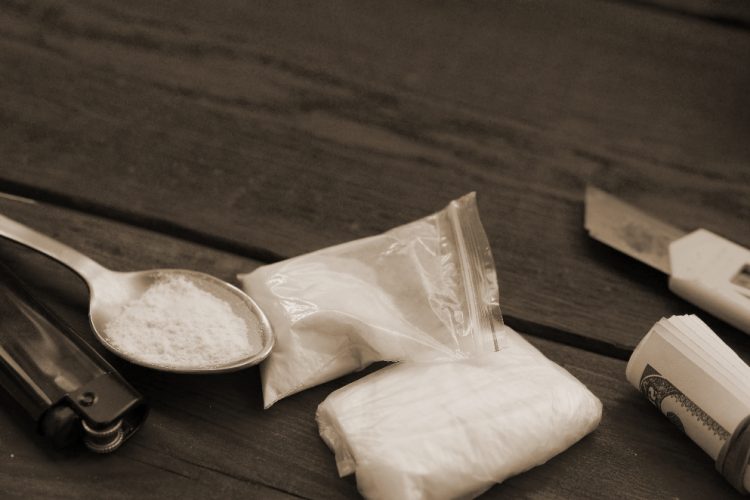
"Fishscale cocaine" is a street term often used to describe cocaine with a shiny or flaky appearance. People frequently associate the name with high purity, but that assumption cannot be verified by looking at a powder. This guide explains what fishscale cocaine means, where the slang comes from, why appearance proves nothing about purity, and the health risks associated with cocaine.
Quick answer: "Fishscale" is street slang for cocaine said to look shiny or flaky. It has no legal, lab or medical definition, and appearance cannot show purity or contents. NIDA says adulteration of cocaine with highly potent fentanyl and related substances is "a major contributor" to rising overdose deaths. Any cocaine can be dangerous.
Need help now? (U.S. resources.) Emergency: 911 · Poison Control 1-800-222-1222 · SAMHSA National Helpline 1-800-662-4357 · 988 (call or text). Outside the U.S., these numbers may not work: use your local emergency number and health service.

Figure 1. The word describes a reputation, not a measured property.
What does fishscale cocaine mean?
"Fishscale" (also written "fish scale" or "cocaine fishscale") is street slang for cocaine said to look shiny or flaky. Treatment provider Zinnia Health describes it as named for an iridescent look and says the name has "nothing to do with fish or the ocean." That page is a provider's explainer, not a lab or government source, so treat its purity percentages as unverified. What NIDA describes is simply cocaine: an addictive stimulant made from coca leaves. View pricing and availability
Why fishscale appearance doesn't prove purity
A shine or flake pattern is not a purity test. The same Zinnia page warns that an additive can be used to produce a "fish scale" appearance, so the look can be created. A seller calling something "fishscale" tells you about the sales pitch, not the contents. Only lab testing can show what a powder contains, and street powders are not lab tested.
Is fishscale cocaine different from regular cocaine?
Not in any medically recognized way. Fishscale is a slang description, not a separate form or standardized grade. NIDA recognizes two forms of cocaine: the water-soluble hydrochloride salt (a powder) and the water-insoluble base or freebase, which is smokable. "Fishscale" is not a third category. Any cocaine carries the same core risks.
Why the fishscale name can be misleading
The word works as marketing: it implies quality, and quality implies safety. Neither follows. Origin labels such as "Peruvian fishscale flake" are also claims you cannot verify from a photo or a bag. The idea that a premium look means a safer product is exactly what makes the term risky, because people may lower their guard.
The real health risks of cocaine
- Heart and brain: NIDA notes toxic effects on the heart and cardiovascular system, plus seizures and strokes. Deaths are "often a result of cardiac arrest or seizures."
- Mixing: NIDA says combining cocaine with alcohol or opioids is especially dangerous.
- Tolerance: NIDA says tolerance and sensitization to cocaine toxicity can raise overdose risk.
- No safe amount: Any route of use can lead to absorption of toxic amounts, per NIDA.
Fentanyl contamination and cocaine overdose
In its cocaine overview, NIDA states that adulteration of cocaine with highly potent fentanyl and related substances is "a major contributor" to rising overdose deaths. Because cocaine wears off sooner than opioids, a person who unknowingly took an opioid can take "a high dose of the opioid without initially realizing it." A shiny look gives no protection. Collapse, seizure, chest pain or trouble breathing means call your local emergency number (911 in the U.S.).
Cocaine overdose statistics: what the numbers show

Figure 2. Source: CDC NCHS.
The CDC says cocaine-involved overdose deaths rose from 15,050 in 2017 to 31,700 in 2023, and cocaine was involved in 31.0% of unintentional overdose deaths in 2023. The page does not break out how many also involved fentanyl, so this guide does not give that figure. Also, "cocaine-involved" does not mean cocaine-only: these deaths can involve other substances too, so the 31,700 should not be read as deaths from cocaine alone.
Getting help for cocaine use

Figure 3. Free U.S. resources listed by NIDA (not for use outside the U.S.).
NIDA says no medications are currently FDA-approved to treat cocaine use disorder, but behavioral therapies such as contingency management and cognitive-behavioral therapy are available. Use FindTreatment.gov or the SAMHSA helpline to find local options.
Frequently asked questions about fishscale cocaine
What is fishscale cocaine?
Slang for cocaine said to look shiny or flaky. It is not a defined or tested grade.
What does fishscale mean in cocaine?
It refers to a flaky, iridescent look. Origin stories vary by source, and the term has no official standing.
How is cocaine described as fishscale?
By a shiny or flaky appearance. But appearance cannot establish chemical composition, so the label tells you nothing reliable about what is in it.
Is fishscale cocaine different from regular cocaine?
It is a slang description, not a separate medically recognized form or standardized grade.
Does fishscale cocaine mean high purity?
No. The term is not a laboratory measurement and cannot establish purity or safety.
Is fishscale cocaine safer?
You cannot tell from the look. Any cocaine can cause cardiac arrest or seizures, and fentanyl contamination is a documented risk.
How much fishscale cocaine is safe to swallow?
No amount can be considered safe. Swallowing cocaine can still deliver toxic amounts, and contents are unknown. If someone may have swallowed it or shows symptoms, call emergency services (911 in the U.S.) or Poison Control (U.S.: 1-800-222-1222) right away.
What should I do if someone collapses after using?
Call your local emergency number immediately (911 in the U.S.).
Sources
- NIDA: Cocaine
- CDC NCHS: Most common drugs in U.S. overdose deaths, 2017 to 2023
- Zinnia Health: What is fish scale cocaine? (treatment provider; term background only)
- SAMHSA National Helpline